
Key Takeaways
- Most people develop dementia after age 65, although early-onset dementia can begin in a person’s 40s or 50s.
- Early signs may include memory loss, communication difficulties, confusion, and noticeable changes in mood or behavior.
- Dementia risk is influenced by age, family history, lifestyle habits, and underlying health conditions.
- Recognizing symptoms early allows families to seek medical guidance, explore treatment options, and plan for future care.
- Memory care communities provide personalized care, safe surroundings, meaningful daily activities, and ongoing family support.
When Dementia Can Begin
Changes in memory or thinking can raise a lot of questions for families. Forgetting a recent conversation, getting confused in familiar places, or struggling to find the right words may seem like part of normal aging, but sometimes they point to something more. Understanding when dementia can begin and what signs to watch for can help you decide when it’s time to seek professional guidance.
While dementia is most common in older adults, it doesn’t develop at the same age for everyone. Dementia comes in many types, and it has many risk factors, but learning about what support is available can help your family prepare for whatever comes next.
When Does Dementia Usually Develop?
Most people who develop dementia are diagnosed after the age of 65. This is known as late-onset dementia and accounts for the majority of cases. Symptoms often develop gradually, beginning with mild changes in memory, thinking, or problem-solving before becoming more noticeable over time.
Early-onset dementia develops before age 65 and is much less common. Some people begin experiencing symptoms in their 40s or 50s, and certain inherited genetic conditions can increase the likelihood of developing dementia at a younger age. Regardless of when symptoms begin, recognizing changes early gives families more time to seek answers, explore treatment options, and plan for future care.
Signs of Dementia That Can Appear Before a Diagnosis
Not every memory lapse is a sign of dementia, but ongoing changes that interfere with daily life deserve attention. Many families notice small differences long before a diagnosis is made, and recognizing these patterns can make it easier to seek medical advice sooner.
Memory Impairments
Occasionally forgetting a name or misplacing your keys is a normal part of aging. Dementia-related memory loss is different because it happens more often and begins affecting daily routines. Your loved one may forget recent conversations, appointments, or important events, even after being reminded.
Difficulty with Communication
Someone living with dementia may struggle to find familiar words or follow conversations that once felt natural. They might lose their train of thought, repeat themselves, or have difficulty understanding written or spoken information. These communication changes often become more noticeable over time.
Disorientation and Confusion
People with dementia may become confused about dates, seasons, or where they are, even in places they know well. They may lose their way while driving familiar routes or have trouble completing tasks they once handled with ease. These changes can gradually affect confidence and independence.
Changes in Mood and Behavior
Personality and behavior can change alongside memory and thinking. A loved one may become more anxious, withdrawn, irritable, or less interested in hobbies they once enjoyed. These emotional changes often develop gradually and may appear before significant memory loss.
What Factors Influence the Risk of Dementia?
Although age is the strongest risk factor, it’s only one part of the picture. Several factors can influence whether someone develops dementia and when symptoms may appear.
Some factors known to influence the risk of dementia include:
- Age, as the likelihood of developing dementia increases over time, particularly after age 65.
- Family history and genetics, since having a close relative with dementia may increase a person’s overall risk.
- Lifestyle habits, including regular physical activity, a balanced diet, quality sleep, and avoiding tobacco, which support long-term brain health.
- Underlying health conditions, as conditions like high blood pressure, diabetes, and high cholesterol can affect brain health over time.
While no one can completely prevent dementia, understanding these risk factors can help families make informed choices and support long-term cognitive health.
How Memory Care Can Help Your Loved One
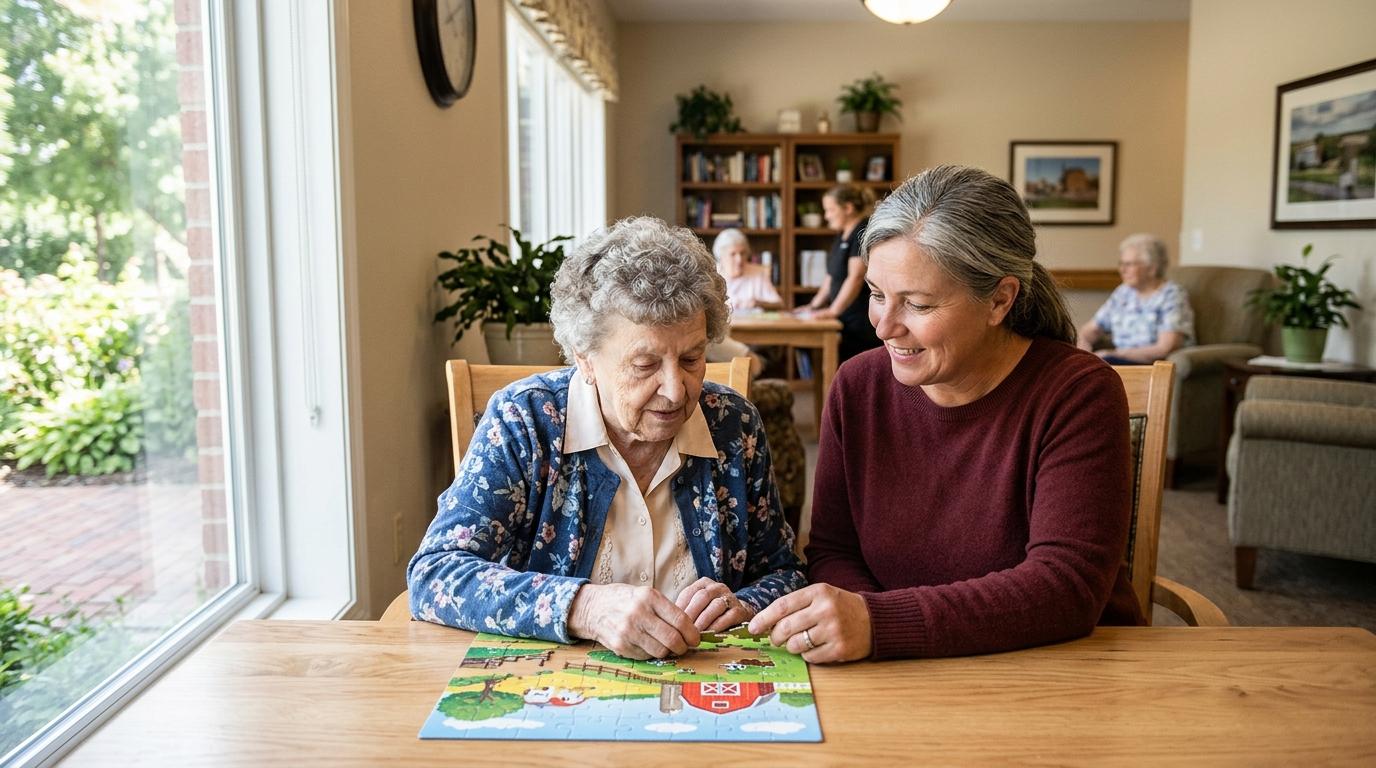
As dementia progresses, daily routines often become more challenging. Memory care communities provide specialized support that helps residents remain comfortable, engaged, and safe while giving families added peace of mind.
Personalized Care Plans
Every person experiences dementia differently. Personalized care plans are designed around each resident’s abilities, preferences, and changing needs, allowing support to adapt over time while respecting their individuality.
Safe and Supportive Environment
Memory care communities are thoughtfully designed to reduce confusion and promote safety. Familiar routines, secure surroundings, and compassionate support help residents feel more comfortable throughout the day.
Engaging Activities
Purposeful activities encourage social connection, cognitive engagement, and meaningful daily routines. From music and art to gentle exercise and group programs, these experiences help residents stay active in ways that match their interests and abilities.
Family Involvement and Education
Families remain an important part of the care journey. Memory care communities provide education, regular communication, and opportunities for loved ones to stay involved, making it easier to navigate the changes that come with dementia together.
What to Do If You’re Worried About Dementia
If you’ve noticed ongoing changes in a loved one’s memory, thinking, or behavior, don’t ignore them. Scheduling an evaluation with a healthcare professional is the best way to understand what’s happening and explore the next steps. An early diagnosis can open the door to treatment, planning, and support that benefits both your loved one and your family.
Learning about dementia and exploring available resources can make the road ahead feel less overwhelming. Heritage Pointe Senior Living is here to answer your questions and help you understand your memory care options. Schedule a tour today to learn how our memory care community can support your loved one and your family.