
Key Takeaways
- Frequent confusion, safety concerns, and difficulty with daily tasks can signal it’s time to consider memory care.
- Memory care differs from assisted living through structured routines and focused, around-the-clock support.
- A warm, close-knit community can help your loved one feel safe, supported, and truly at home.
- Starting the conversation with compassion makes a difficult topic a little easier for the whole family.
Recognizing When Memory Care Becomes the Right Choice
Watching a loved one struggle with memory loss is one of the hardest things a family can go through. You might notice small things at first, a missed appointment here, a forgotten name there. Then the moments become more frequent, and that quiet worry in the back of your mind starts to feel a lot louder.
Memory care is a compassionate option designed to meet your loved one exactly where they are, offering the structure, safety, and warmth they deserve. Knowing when to take that step is not always clear-cut, but some signs can help guide the way. Heritage Pointe Senior Living offers specialized memory care support built around your loved one’s unique needs.
Signs That Memory Care May Be the Right Next Step
If your loved one is frequently confused or disoriented at home, even in familiar surroundings, that’s worth paying attention to. Memory loss that affects day-to-day life, like forgetting where they are or who someone is, goes beyond occasional forgetfulness. The Alzheimer’s Association lists early warning signs that can help families recognize when these changes go beyond normal aging.
Safety concerns are another significant signal. Wandering, missed medications, or leaving the stove on are situations that can put your loved one at real risk. When those concerns start happening more regularly, the level of support needed often goes beyond what home care or assisted living can offer alone.
Daily tasks like getting dressed, preparing meals, or managing a routine may also become too difficult to handle independently. When those challenges pile up, it’s a sign that a more attentive and specialized level of care could genuinely improve their quality of life.
How Memory Care Differs from Assisted Living
A Structured, Supportive Environment
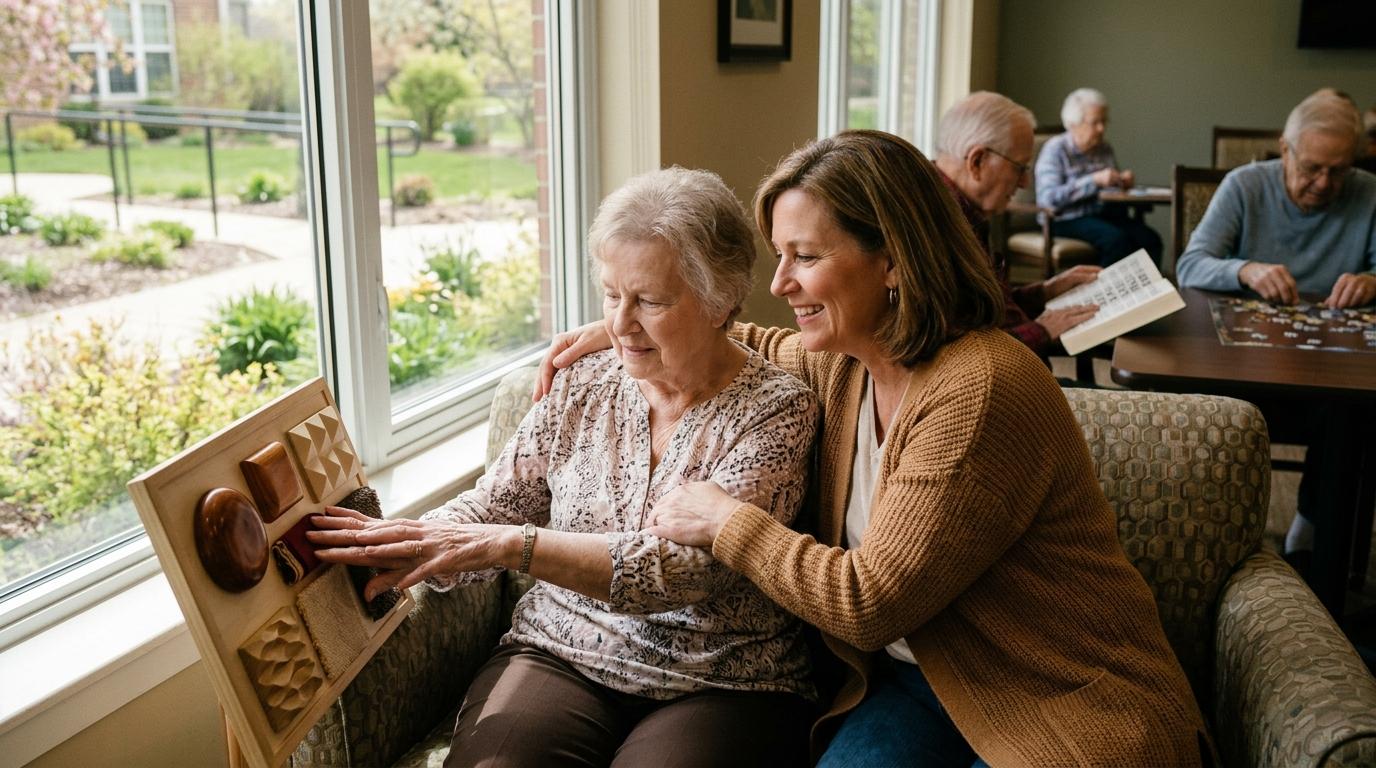
Memory care communities are designed specifically with memory-related conditions in mind. The layout, the programming, and the daily flow are all thoughtfully built to reduce confusion and create a sense of calm. For someone living with memory loss, that kind of consistency can make a meaningful difference.
Predictable routines bring real comfort to residents. Knowing what to expect each morning, afternoon, and evening helps reduce anxiety and create a sense of safety that feels grounding rather than restrictive.
Personalized Care at Every Level
Unlike a general senior living approach, memory care builds a care plan around each individual person. Their history, their preferences, their personality, all of it shapes how the team supports them each day. No 2 residents are the same, and the care they receive reflects that.
Trained team members are available around the clock, so your loved one is never without support. That kind of attentive presence gives families a real sense of relief, knowing someone is always nearby.
What Your Loved One Can Expect in Memory Care
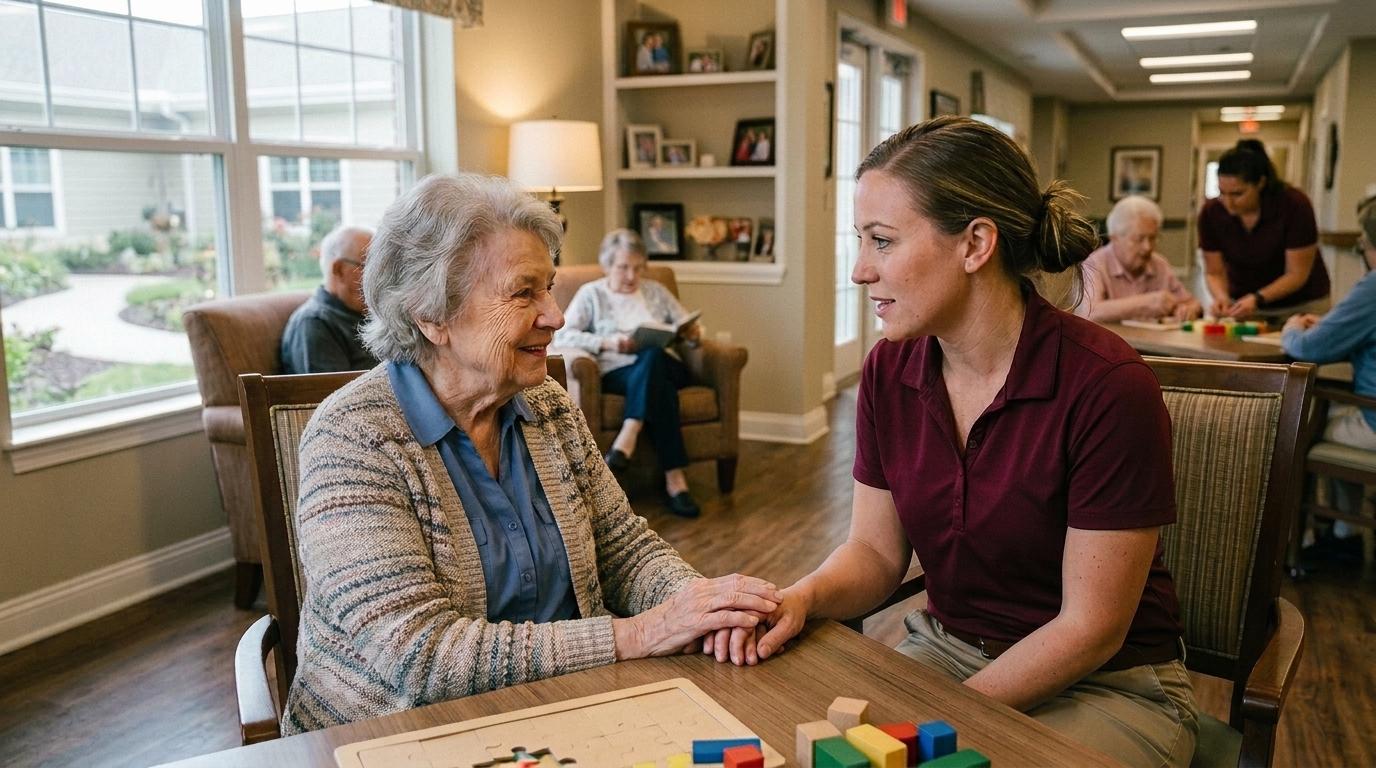
A good memory care community feels warm and welcoming, not clinical or cold. Think home-cooked meals, familiar comforts, and daily activities that bring joy and engagement. Residents are encouraged to participate, connect, and simply enjoy their days in a place that feels like theirs.
Spiritual and emotional well-being are also part of the picture. Programs like Lifespark’s Spiritual Health support offer one-on-one counseling, group programs, and meaningful connections that nurture the whole person, not just their physical needs. Families are included in that support, too. Staying socially connected plays a meaningful role in overall well-being for older adults navigating memory challenges.
Perhaps most importantly, your loved one can find a true sense of belonging. A close-knit community of neighbors, team members, and familiar faces can be deeply comforting for someone navigating memory loss. That sense of connection matters more than many people expect.
How to Talk to Your Family About Memory Care
Start the Conversation with Compassion
Bringing up memory care can feel overwhelming, but leading with love makes a real difference. Focus on your loved one’s comfort, happiness, and safety rather than the logistics. Framing the conversation around what’s good for them, not what’s easier for the family, sets a gentler tone from the start.
Take your time and listen as much as you talk. Their feelings about the change are just as important as the practical details, and feeling heard can make the transition feel far less daunting for everyone involved. The Alzheimer’s Association offers guidance on caregiver stress that many families find helpful during this time.
Common Questions Families Ask
Many families wonder when exactly the right time is to make the move. There’s no single answer, but when safety concerns arise regularly and your loved one’s needs outpace what current support can provide, that’s often a strong indicator. Exploring when to move to senior living can help bring some clarity during an uncertain time.
Families also ask what a typical day looks like in memory care. The answer is one full of routine, activity, good food, and genuine connection, a day that feels purposeful and supported from morning to night.
Your Next Step Toward Peace of Mind
Sometimes, words on a page can only go so far. A tour of a memory care community can answer the questions that are hard to put into words. You can see the spaces, meet the team, and get a feel for whether it could truly be home.
At Heritage Pointe Senior Living, our memory care community is built on compassion, connection, and individualized support. Families are welcomed as partners every step of the way. Reach out today to schedule a visit and take that first gentle step forward.