
Key Takeaways
- Assisted living offers daily support, community connection, and a balance of independence and care.
- Gathering the right documents before move-in day makes the process much smoother.
- Packing thoughtfully, with personal touches, helps your loved one feel at home faster.
- Your presence and encouragement in the first weeks can make a big difference.
- This transition can open a rewarding new chapter full of connection and purpose.
What the Move into Assisted Living Really Looks Like
Moving a loved one into assisted living brings up a lot of feelings. You might feel relieved, nervous, hopeful, and sad, sometimes all at once. That’s completely normal, and it doesn’t mean you’re making the wrong choice.
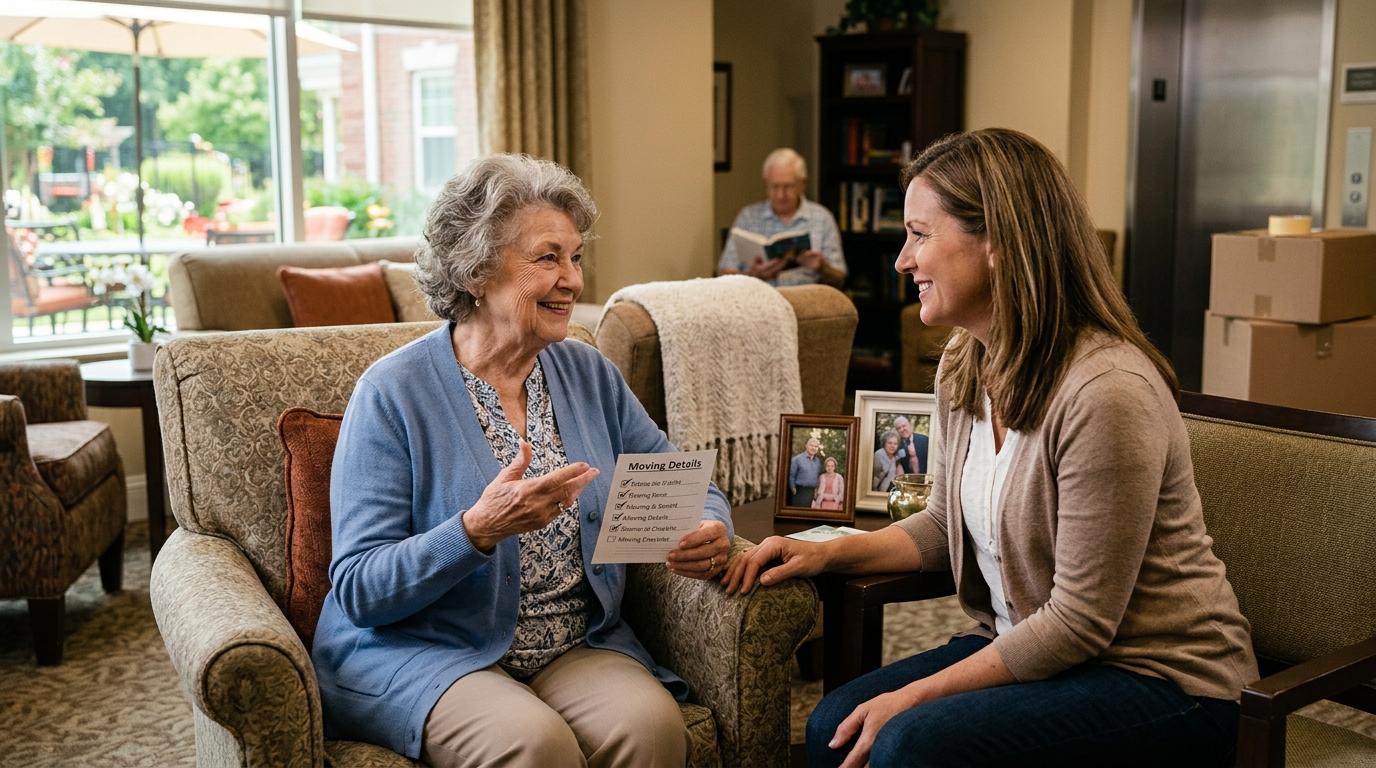
Having a clear checklist can take some of the weight off your shoulders and help you focus on what matters most, which is your loved one feeling comfortable, cared for, and at home. This guide walks you through everything to expect, gather, and bring so move-in day feels a little less overwhelming and a lot more hopeful. If you’re still weighing your options, comparing independent and assisted living can help you feel more grounded in the decision.
What to Expect from Assisted Living
Assisted living is designed to meet your loved one where they are. Staff provide daily support tailored to each person’s specific needs, whether that’s help getting dressed in the morning, medication reminders, or simply having someone nearby for peace of mind. You can learn more about what long-term care services typically involve to set realistic expectations.
Beyond the care itself, life in a senior living community is rich with connection. Shared meals, group activities, and friendly neighbors give your loved one a real sense of belonging. It’s not just about receiving support, it’s about having a full life with people around who genuinely care.
The goal is always to honor as much independence as possible. Staff step in when needed and step back when they’re not. Your loved one gets to keep being themselves, just with a little more help and a lot more community around them.
Documents and Paperwork to Gather First
Personal and Legal Documents
Before move-in day, gather your loved one’s photo ID, insurance cards, and Social Security information. These are requested early in the process and having them ready saves time and stress.
Legal documents are just as important. Power of attorney paperwork and any advance directives should be collected and kept somewhere easy to access. If those documents haven’t been finalized yet, now is a good time to take care of them.
Medical Records and Medication Lists
A current list of all prescriptions, including dosage information, is one of the most helpful things you can bring. The care team will use this to support your loved one’s health from day 1.
Bring contact information for your loved one’s primary care physician as well. That connection helps the assisted living staff coordinate care smoothly and keeps everyone on the same page. Learning about activities of daily living and how they’re assessed can also give you a clearer picture of the level of care your loved one may need.
What to Pack and What to Leave Behind
Items Worth Bringing Along
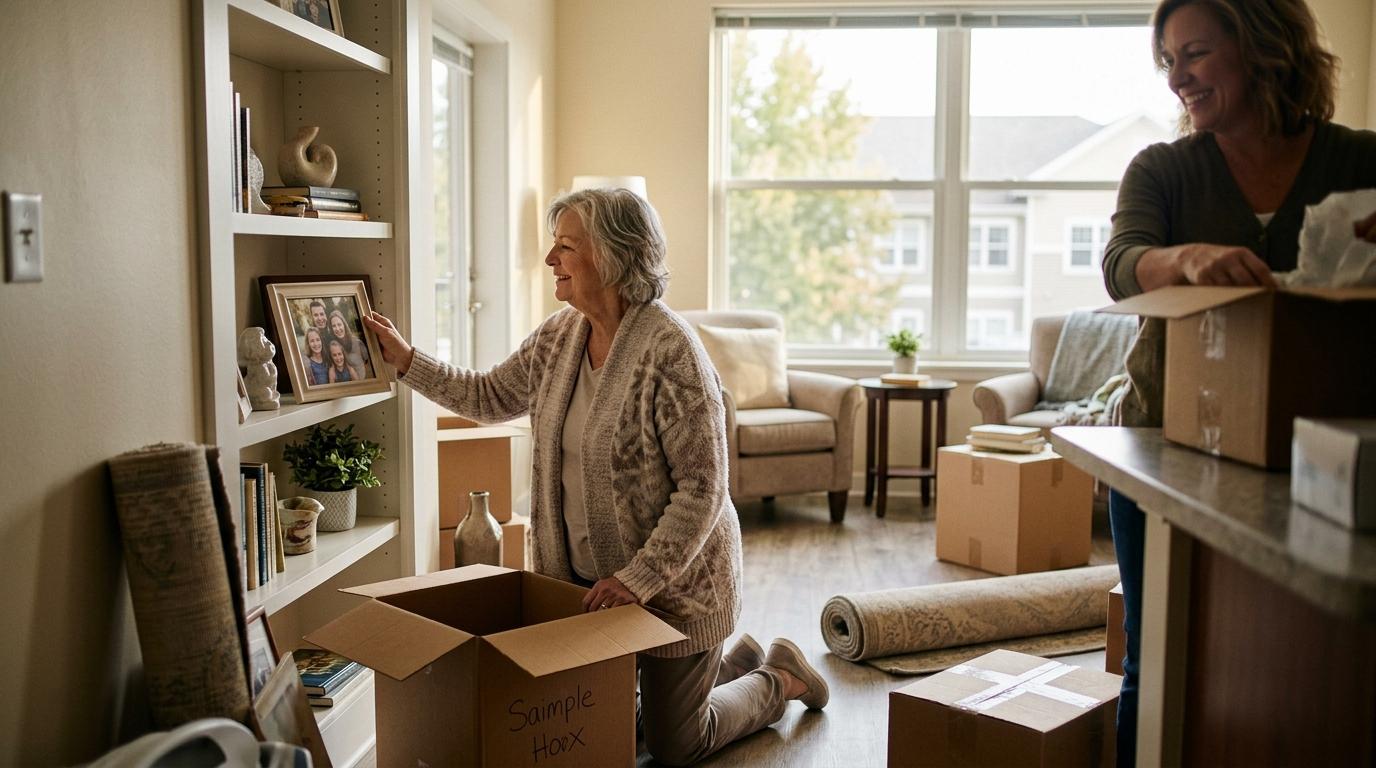
The right personal touches can turn a new apartment into a home almost immediately. Bring framed photos, a favorite blanket, meaningful keepsakes, and anything that carries a sense of comfort and familiarity. These small things matter more than you might expect. Browsing available floorplans and the community gallery ahead of time can help you plan what fits and what to leave at home.
A practical wardrobe goes a long way too. Pack favorite clothing and seasonal basics, keeping in mind that easy-to-wear pieces are especially helpful. Comfortable, familiar clothes can make the adjustment feel much more manageable day to day.
Items to Skip or Store Elsewhere
Large furniture pieces often don’t fit well in apartment-style spaces. It’s worth measuring the room ahead of time and leaving oversized items with family or in storage rather than trying to squeeze them in.
Valuable jewelry, heirlooms, or sentimental items that carry significant financial or emotional weight are often better kept safe at a family member’s home. It’s a simple way to protect what matters most during the transition.
How to Support Your Loved One Through the Transition
The first few weeks are often the most emotionally tender. Visiting often during this time sends a clear message that your loved one hasn’t been left behind. Even short visits can lift their spirits and ease the adjustment.
Gently encourage your loved one to meet neighbors and join activities. A friendly nudge toward a group dinner or a simple morning program can spark the kind of connection that makes a real difference. Staff in a memory care or assisted living community are also wonderful at helping new residents feel welcome. Staying socially connected plays a meaningful role in how well your loved one adjusts and thrives.
Honor whatever your loved one is feeling without trying to rush them through it. Change takes time, and acknowledging that is one of the kindest things you can do. Your patience and warmth speak louder than any reassurance.
A Fresh Start Worth Looking Forward To
Moving into assisted living isn’t the end of anything. It’s genuinely the beginning of something new. New routines take shape, friendships form, and your loved one finds a daily sense of purpose that might surprise you both.
Senior living communities offer far more than care. From spiritual wellness programs to engaging daily activities and nourishing meals, life here is full and meaningful. At Heritage Pointe Senior Living, our goal is to support your loved one in aging with joy, dignity, and a strong sense of belonging.
If you’re ready to take the next step, reach out to our team to schedule a tour and see the community for yourself.