
Key Takeaways
- Assisted living offers personalized, daily support without taking away personal space.
- A sense of community, shared activities, and spiritual programs support emotional well-being.
- Health and wellness are woven into everyday life through nutritious meals and coordinated care.
- Family members can support their loved ones without taking on the role of full-time caregiver.
- Knowing the right signs can help families start an honest, caring conversation about next steps.
Quality of Life in Senior Living, Redefined
When the topic of assisted living comes up, it can bring a mix of emotions. Families want the best for their loved ones, but there’s often uncertainty about what daily life there actually looks like. The good news is that modern senior living has come a long way from what many people picture.
Assisted living can genuinely improve quality of life for seniors by offering the right level of support, a warm community, and a lifestyle that honors who they are. For families weighing this decision, understanding what to expect can make all the difference.
What Assisted Living Actually Looks Like
One of the biggest concerns families have is whether their loved one will feel like themselves in an assisted living community. Care plans are built around each person’s individual needs, preferences, and routines, not a one-size-fits-all approach. That means your loved one gets the support they need without feeling isolated.
Help is available when it’s needed and steps back when it’s not. Whether that’s assistance with daily activities like morning routines, medication reminders, or mobility support, the goal is to keep life feeling natural and comfortable. Common areas are thoughtfully designed to feel like home, meals are nourishing and satisfying, and shared spaces provide opportunities to connect with neighbors.
The Social & Emotional Benefits of Assisted Living
A Built-In Sense of Community
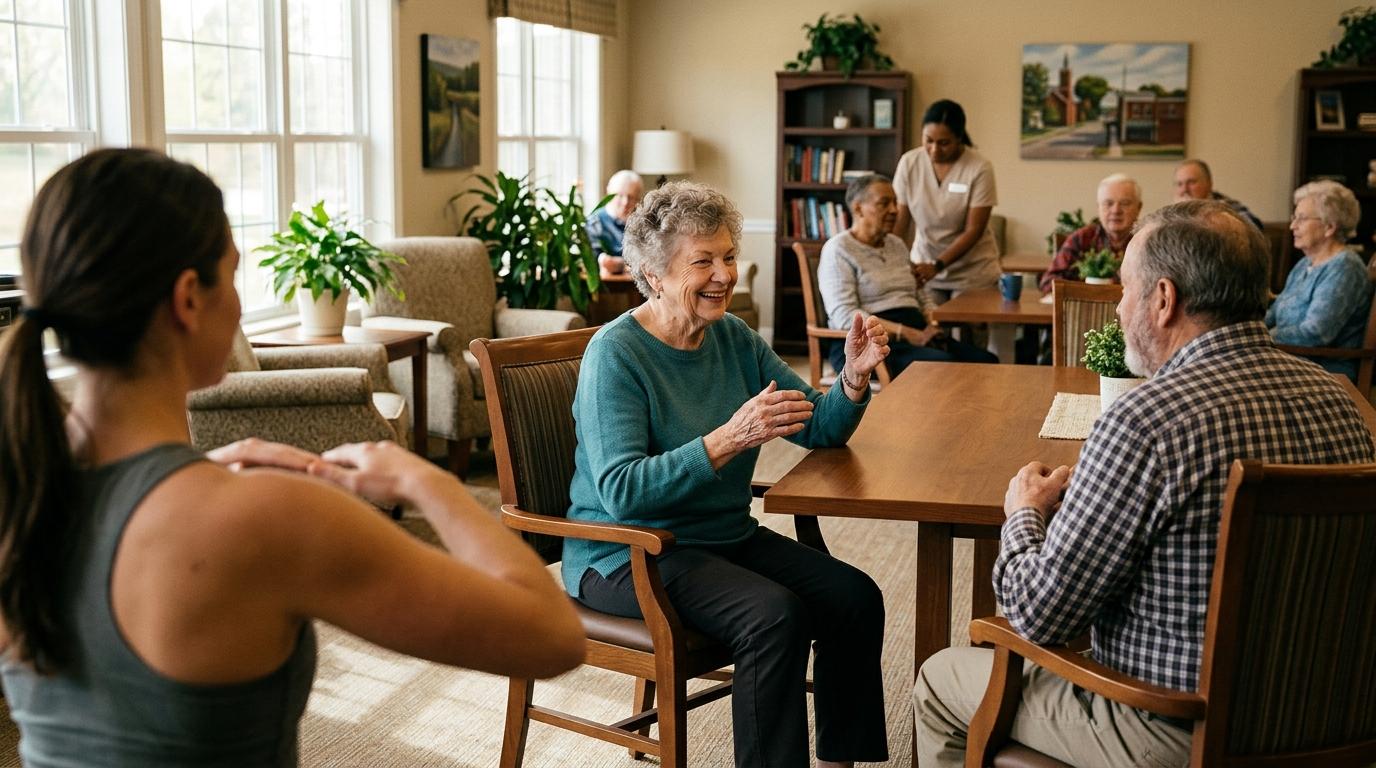
Loneliness is something many older adults quietly carry, especially after a big life transition. Assisted living communities are designed so that connection is always nearby. Planned activities, shared dining, and group programs give residents regular opportunities to laugh, learn, and build real friendships. These aren’t forced interactions. They’re the kind that grow naturally over time.
Shared common areas make it easy to run into a neighbor, join a game, or simply enjoy good company over a cup of coffee. For many residents, this sense of belonging becomes one of the most meaningful parts of their day. That matters more than most people realize when making this decision. You can get a feel for the kinds of activities available by checking the monthly activity calendar.
Spiritual & Emotional Well-Being
Emotional health is just as important as physical health, and a good assisted living community takes that seriously. One-on-one counseling, spiritual visitation, and group programs offer residents a space to reflect, share, and feel supported on a deeper level. These services are available to residents and their families alike.
Personal beliefs and traditions are honored here, not overlooked. Whether your loved one has a long-standing faith practice or simply needs a quiet space to feel grounded, spiritual care programs adapt to each person. It’s support that meets people right where they are.
How Health & Wellness Are Woven Into Daily Life
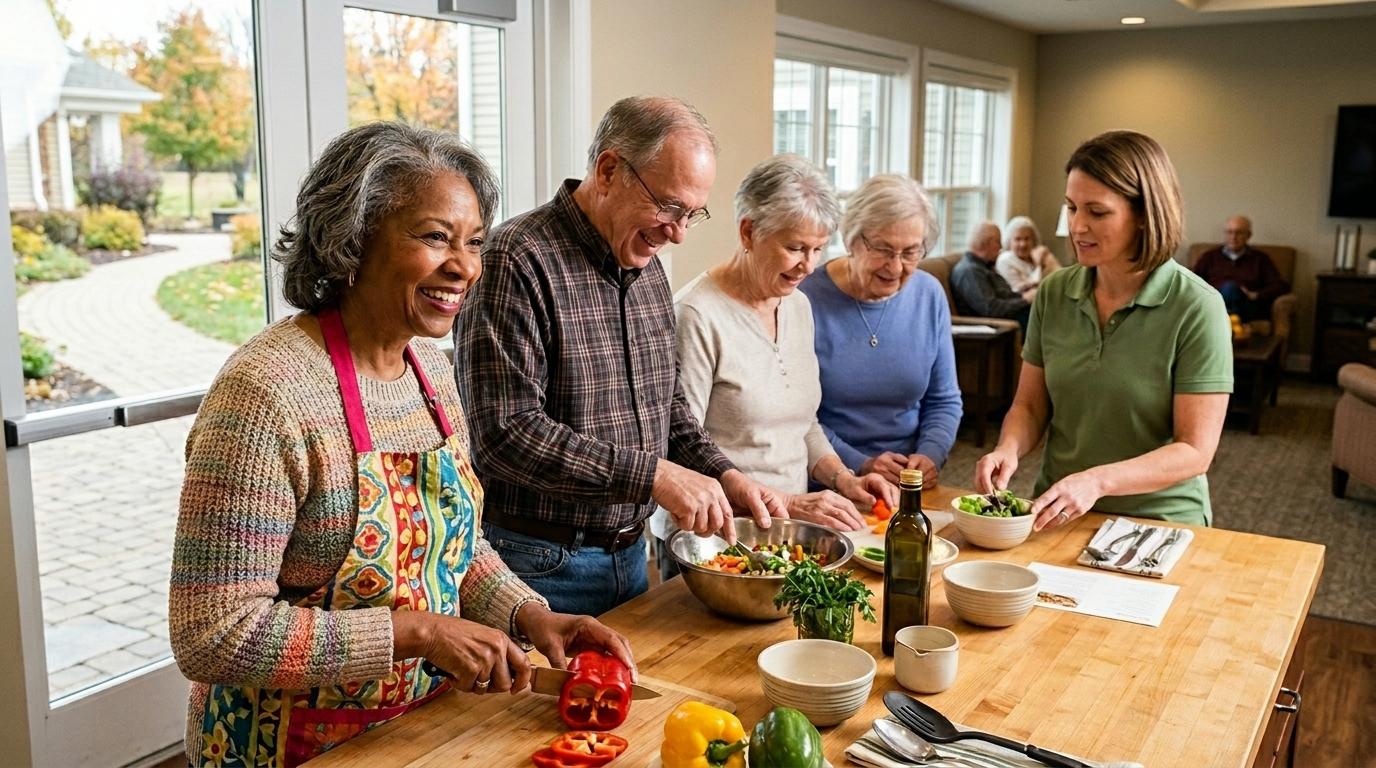
Good health doesn’t happen by accident. In an assisted living community, it’s part of the everyday experience. Nutritious meals are prepared with residents in mind, and on-site amenities make staying active and engaged easy. There’s no need to coordinate a dozen appointments or worry about things falling through the cracks.
Coordinated care means that health needs are tracked, supported, and addressed consistently. The goal is to break the cycle where seniors are hospitalized, recover, and then end up back in the hospital again. A proactive approach to wellness keeps that cycle from repeating, so your loved one spends more time living and less time recovering. Learn more about the services and programs available to support that kind of whole-person care.
What This Means for Family Members & Caregivers
Relief From the Weight of Caregiving
Caring for a loved one is one of the most loving things a person can do. When professional support steps in, family members don’t have to carry that weight alone anymore. Your loved one receives consistent, compassionate care from a team that is trained and dedicated to this work every single day.
That shift can feel like a deep breath. Knowing someone is there around the clock, and that your loved one’s needs are met with both skill and heart, can bring a sense of relief that’s hard to put into words. If caregiver burnout has started to set in, exploring assisted living options could be one of the most meaningful steps your family takes.
Stay Connected Without the Stress
One of the quiet gifts of assisted living is that it gives families their relationship back. Instead of visiting as a caretaker managing medications and meals, you can simply visit as a son, daughter, or spouse. That time together becomes richer because it’s just about being present with each other.
Open, transparent communication from the care team keeps families informed without overwhelming them. You stay in the loop, and your loved one stays well-supported. It’s a partnership built on trust. Family resources are available and are a helpful place to start gathering the information your family needs.
Is Assisted Living the Right Fit for Your Loved One
If your loved one is struggling to keep up with meals, personal hygiene, medications, or household tasks, or if they seem isolated and low in energy, it may be time to explore assisted living options.
At Heritage Pointe Senior Living in Marshall, seeing the spaces and meeting the team in person can bring real clarity. Book a tour today and see what’s possible.